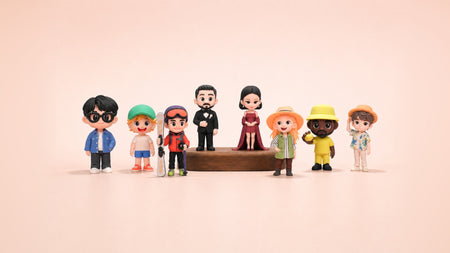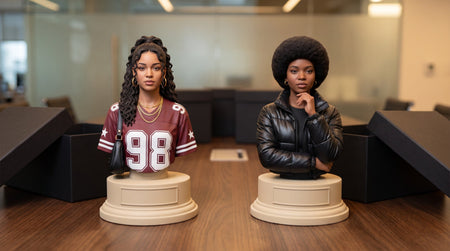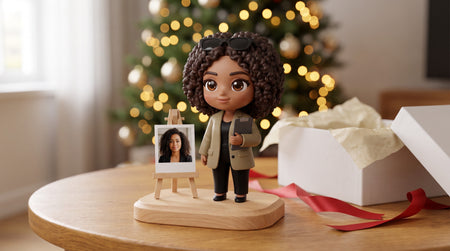
You've seen them on Instagram. A couple holding hands, frozen in miniature on their wedding cake. A gamer's avatar standing proudly on a desk. A pet dog, immortalized in 3D after passing away. Custom figurines hit different. They turn digital memories into something you can hold.

But here's the uncomfortable truth: most people who order custom figurines get something that looks... wrong. The proportions are off. The colors are muddy. The face looks like a distant cousin, not the actual person. You expected a premium collectible. You got a craft fair reject.
I've spent the last six months testing custom figurine companies. I ordered from budget sites on Etsy, mid-tier bobblehead makers, and high-end 3D printing studios. Some results were impressive. Most were disasters. The problem isn't just quality control. It's that buyers don't know what questions to ask before placing an order.
So here are the four non-negotiable standards you need to verify before handing over your credit card. These aren't preferences. They're the difference between a keepsake and a garage sale item.
Standard #1: Demand Full-Body Custom Sculpting
🛑 The Trap:
Most budget custom figurine sites use a dirty little secret called "head-swapping." Here's how it works: they have a library of pre-made generic bodies. Office worker in a suit. Bride in a dress. Golfer mid-swing. When you order, they just model your face and stick it on one of these stock bodies.
Why does this fail?
Because human proportions are personal. Your dad doesn't have the same shoulder width as a generic "golfer template." Your girlfriend's posture when she's excited doesn't match a stock "happy bride" model. The result looks like someone photoshopped a head onto the wrong body. It feels uncanny.
✅ The 2026 Standard (SnapFig's Way):
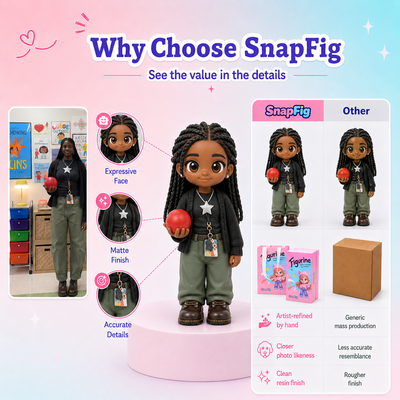
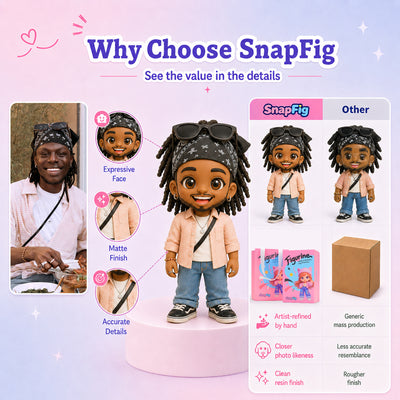
Full-body digital sculpting. A proper custom figurine company builds the 3D model from scratch based on your photo. They sculpt the specific jacket you wore. The way you cross your arms. The shoes. It takes more time. It costs more. But when you see the result, you recognize the person immediately because every detail is theirs, not borrowed from a template library.

Standard #2: Insist on Resin 3D Printing
🛑 The Trap:
Traditional custom bobbleheads are made from polymer clay. An artist hand-sculpts your figurine, bakes it in an oven, and then hand-paints it. Sounds artisanal and charming, right?
Here's what they don't tell you. Clay figurines are heavy, fragile, and inconsistent. One drop and the head snaps off. The quality depends entirely on which artist got assigned to your order. If they're having a bad day, your figurine looks rough. You'll often see visible fingerprints in the clay, uneven paint, and colors that don't quite match your photo.
✅ The 2026 Standard (SnapFig's Way):
Full-color 3D printed resin. This is the same material used for high-end collectibles and vinyl art toys. The process is industrial, not artisanal. A machine prints your figurine layer by layer with microscopic precision. The colors are embedded during printing, not painted on afterward, which means they're permanent and vibrant.
Resin figurines have a smooth, matte finish. They're durable. They're lightweight. And most importantly, the quality is consistent, you're not gambling on an artist's mood. Think Funko Pops or designer art toys. That's the quality tier you should expect in 2026.

Standard #3: Choose Stylized Art Toys
🛑 The Trap:
Here's where a lot of companies fail by trying too hard. They promise "hyper-realistic" figurines with pores, wrinkles, and individual eyelashes. On paper, that sounds impressive. In practice, it's a trap.
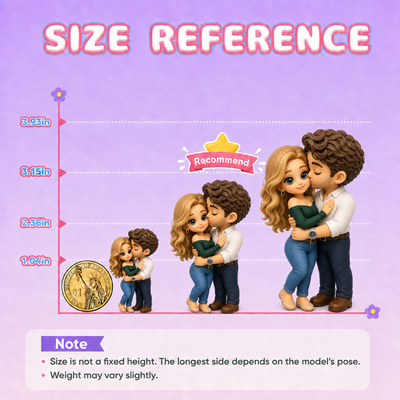
When you shrink a human face down to 3-4 inches and try to capture every realistic detail, you enter what psychologists call the "Uncanny Valley." The figurine looks almost human, but something is slightly off, and your brain screams "that's creepy." It's the same reason why wax museum figures make people uncomfortable.
✅ The 2026 Standard (SnapFig's Way):
Stylized design. Think of how Pixar characters work, they're not realistic, but you instantly recognize the personality and vibe. A well-designed custom figurine should capture the spirit of the person through proportions, expression, and design choices rather than trying to replicate skin texture.
This is where the Chibi or Art Toy style excels. Slightly larger heads, simplified features, expressive eyes. The result looks like something that belongs on a shelf next to your art toys, not in a horror movie. It's cute. It's stylish.

Standard #4: Never Buy Without a Digital Preview
🛑 The Trap:
This is the most important rule, and it's shocking how many companies still don't offer it. The old model works like this: you send a photo, pay upfront, and wait. Four weeks later, a box arrives. You open it. And if it looks nothing like the person... tough luck. Most companies have a "custom orders are final" policy.
✅ The 2026 Standard (SnapFig's Way):
Mandatory digital proof. Here's how it should work: after you upload your photo, the company uses AI-assisted software to generate a rough 3D model. A human artist then refines it, adjusting proportions and details. You receive a 360-degree digital preview via email. You can request changes. Only after you approve the digital model do they start printing.
🏆 The Verdict: What Actually Meets These Standards?
After months of testing, here's what I found: very few companies check all four boxes. Most are still stuck in the old clay-and-templates model because it's cheaper. A handful of newer companies use 3D printing but skip the digital preview step.
The company that consistently met all four standards is SnapFig.
- ✅ Full-body custom sculpting from photos.
- ✅ Resin 3D printing with embedded colors (no paint strokes).
- ✅ Stylized art toy aesthetic that actually looks good.
- ✅ Mandatory digital preview before production starts.
I'm not saying they're the only option. But as of 2026, they're one of the few companies that's fully committed to the "tech-first" approach instead of clinging to outdated clay methods.
If you're serious about ordering a custom figurine—whether it's for a wedding, an anniversary, or just because you want a tiny version of yourself—use these four standards as your checklist.
Ready to see the difference?